
United Airlines Navigates Shifting Skies: Growth in San Francisco, Stagnation at Chicago O'Hare
United Airlines is currently experiencing a tale of two cities in its operational strategy, focusing on strategic growth in San Francisco while simultaneously grappling with significant hurdles at its major hub in Chicago O'Hare. This dynamic shift is largely influenced by Federal Aviation Administration (FAA) decisions impacting flight limits at both key airports, creating both opportunities and challenges for the airline and, by extension, for travellers across the country. The "Travelling Renter" is here to break down what this means for your next journey.
The good news for West Coast travellers is that United is actively expanding its footprint at San Francisco International Airport (SFO). The airline announced new routes from SFO, including daily flights to Cincinnati/Northern Kentucky International Airport (CVG) and Saturday-only flights to President Donald J. Trump International Airport (DJT) in West Palm Beach, Florida, set to launch this winter. This expansion comes on the heels of the FAA easing flight restrictions at SFO. Initially cut to 36 flights per hour due to runway construction and safety concerns, the FAA raised the cap to 40 flights per hour on August 12 and anticipates further increasing it to 42 by the end of August. This regulatory relief allows United to pursue growth where capacity permits, signaling a positive outlook for travel options from the Bay Area.
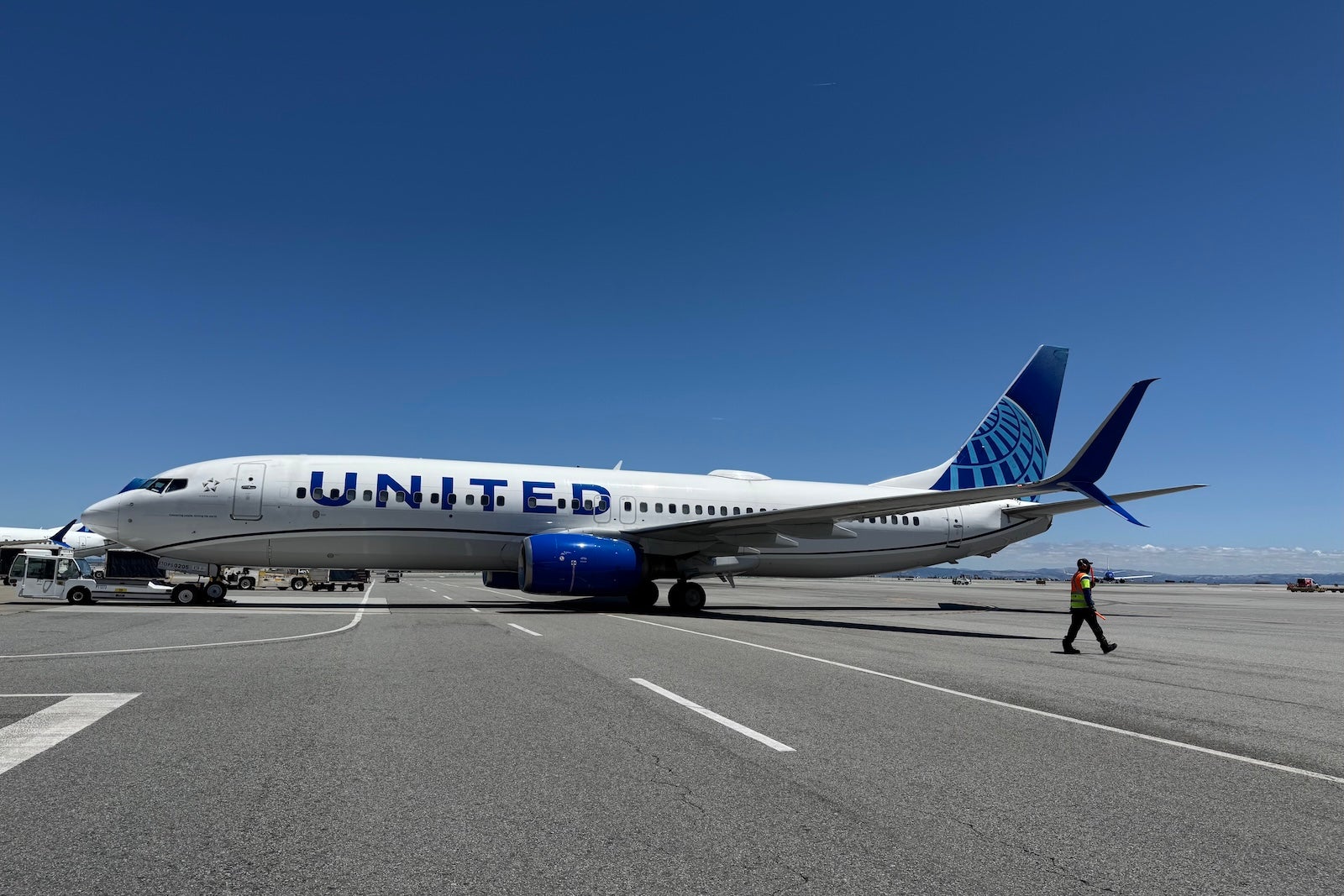
United Airlines is leveraging eased FAA restrictions to expand its service from San Francisco International Airport.
Conversely, the situation at United's Chicago O'Hare International Airport (ORD) hub remains constrained. The FAA has imposed strict flight caps that have forced United to indefinitely postpone ten new routes it had planned from ORD. These restrictions, which limit O'Hare to approximately 2,708 flights per day, are a significant reduction from the more than 3,000 flights previously scheduled. The FAA's decision, extending through October 2027, is attributed to ongoing airfield construction under the O'Hare 21 modernization program, concerns over air traffic control system capacity, and a reported "turf war" between United and American Airlines over gate usage. Despite these limitations, United aims to grow seats at ORD by nearly 14% this year compared to 2025, a testament to its commitment to the hub, even if it means rescheduling hundreds of flights and impacting service to 11 cities.
United's CEO, Scott Kirby, has openly stated that the airline may consider shifting its growth strategies to other cities if these federal flight limits at Chicago O'Hare persist. For travellers, this landscape means potential adjustments to flight availability and schedules, especially for those relying on O'Hare as a connection point. While San Francisco enjoys a period of airline expansion, the challenges in Chicago highlight the complex interplay between airline strategic planning, regulatory oversight, and airport infrastructure developments. Staying informed about these developments is crucial for any "Travelling Renter" planning their next adventure.