
EU's New Entry/Exit System: What Travelers Need to Know - Travelling Renter
Posted by Travelling Renter on July 6, 2026
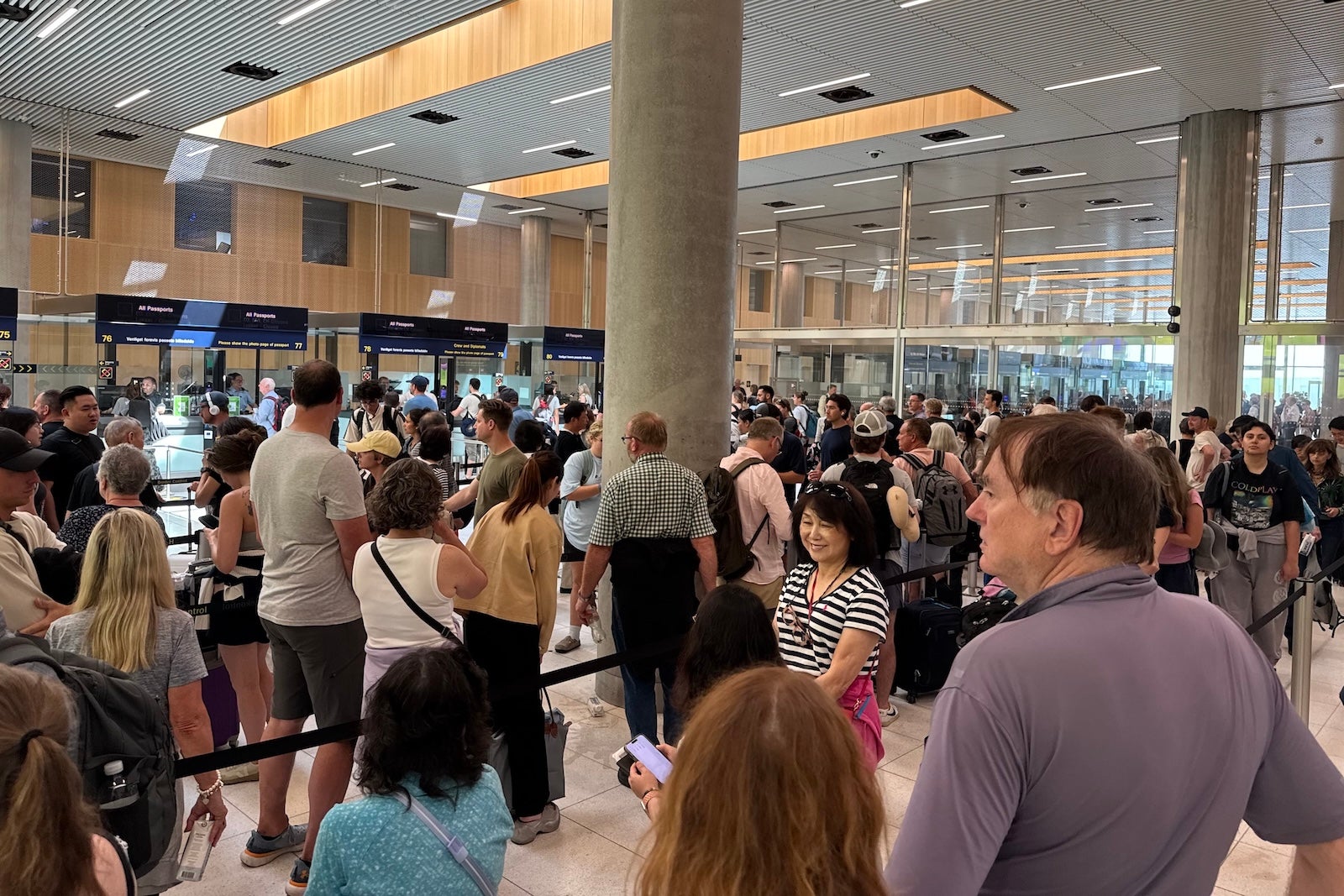
The European Union has called an "urgent meeting" as wait times grow because of the new Entry and Exit System (EES). This significant shift in border control for non-EU citizens entering the Schengen Area is already causing concerns, with reports of increased delays at major entry points. For anyone planning to visit the EU, understanding EES and preparing for its implementation is no longer optional – it's crucial for a smooth journey. The system, designed to register entry, exit, and refusal of entry data for non-EU travelers, aims to enhance border security and identify overstayers more effectively.
This new automated IT system replaces manual passport stamping, requiring biometric data such as fingerprints and facial images upon a traveler's first entry. While the long-term goal is to streamline processing, the initial rollout phases are proving challenging, leading to bottlenecks and longer queues, especially during peak travel periods. The "urgent meeting" underscores the gravity of the situation and the EU's commitment to address these operational hurdles, but travelers should anticipate continued disruptions as the system fully integrates across all member states.
Here's what travelers should do to prepare for the EES:
- Allow Extra Time: Arrive at airports and border crossings significantly earlier than usual. The initial processing, particularly for first-time EES users providing biometric data, will take longer.
- Understand the Requirements: Familiarize yourself with the EES process. Non-EU citizens will have their biometric data (fingerprints, facial image) and passport details registered. This data will be stored for three years.
- Have Documents Ready: Ensure your passport is valid for at least three months beyond your intended departure date from the Schengen Area and was issued within the last 10 years. Keep all travel documents easily accessible.
- Check Your Visa Status: If you require a visa, ensure it is in order. For visa-exempt travelers, be aware that the European Travel Information and Authorisation System (ETIAS) will also be implemented, requiring pre-travel authorization for many nationalities.
- Stay Informed: Check official EU travel advisories and your airline's or travel provider's updates closer to your travel date for the latest information on specific border points and potential delays.
The EES is a fundamental change to how non-EU citizens enter and exit the Schengen zone. While the immediate impact includes growing wait times, travelers who prepare thoroughly can mitigate potential frustrations. By staying informed and allowing ample time, you can navigate these new procedures more smoothly and ensure your European adventure, as a travelling renter, begins with minimal stress.
For more detailed information, consult the official European Commission websites regarding the Entry/Exit System and future ETIAS requirements.