
Airlines Are Cutting Routes in Response to High Fuel Prices: Here's What to Know and What to Do If You Are Impacted
By The Travelling Renter |
The travel industry is currently navigating turbulent skies, with escalating fuel costs presenting a significant challenge for airlines worldwide. These rising expenses directly impact an airline's operational budget, often making certain routes less profitable, or even unsustainable. As a result, many carriers are making difficult decisions to scale back their flight networks, leading to a noticeable reduction in available routes and flight frequencies. This shift is designed to optimize resources and maintain financial stability in a volatile market, but it inevitably creates ripple effects for travelers planning their next adventure.
Understanding this trend is crucial for anyone with upcoming travel plans. Route cuts can manifest in several ways: a direct cancellation of a specific flight, a reduction in the number of flights per week to a particular destination, or even the complete suspension of service to certain airports. These changes are typically announced with some lead time, but sometimes they can occur closer to the travel date. The primary reason is simple economics: jet fuel is one of the largest operating expenses for an airline, and when its price surges, the cost to run a flight on a less-trafficked or lower-yield route can quickly outweigh the revenue generated, forcing airlines to consolidate or eliminate services.
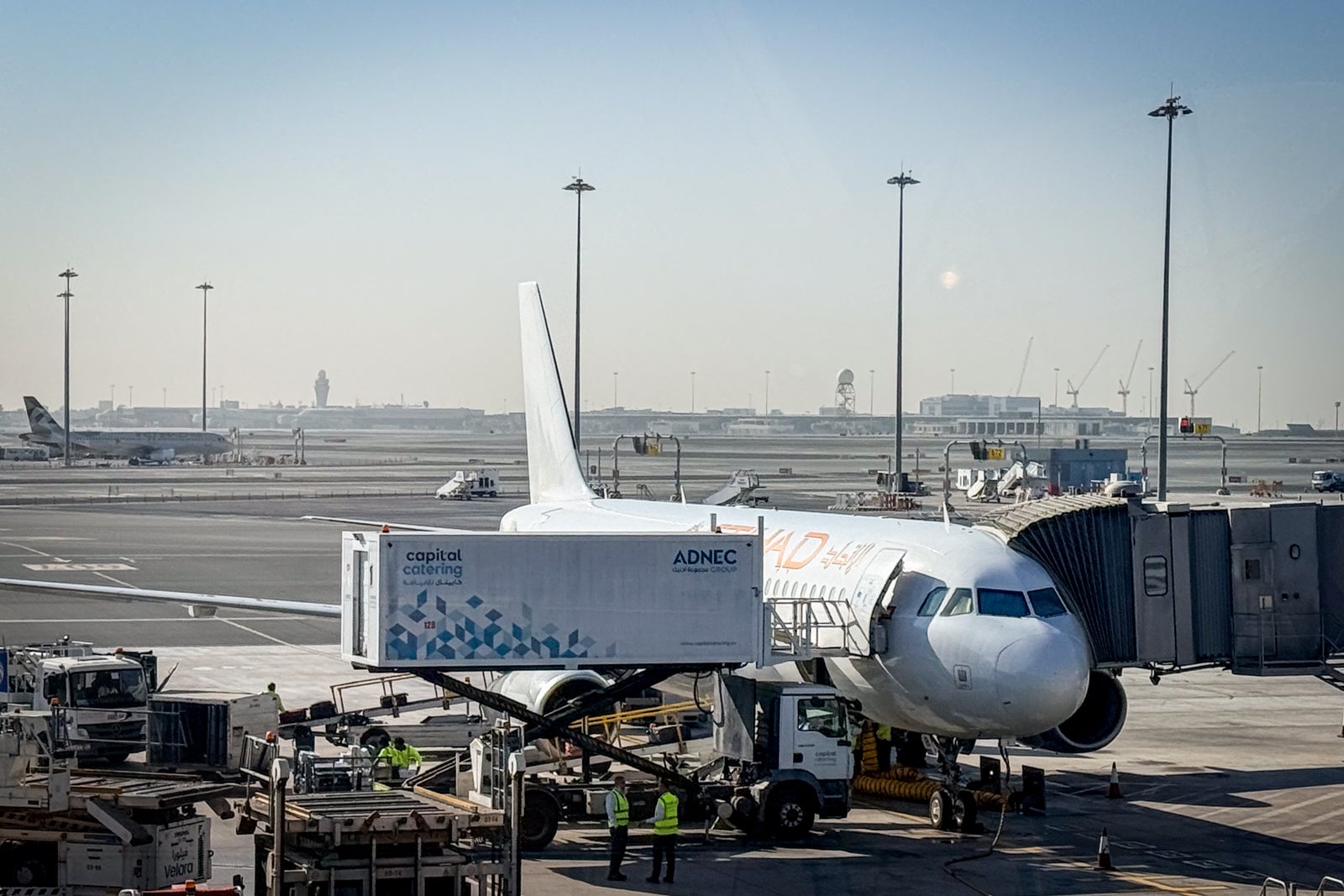
A stunning view near a major airport, representing the global reach of air travel now facing route adjustments due to economic pressures.
What to Do If Your Flight is Impacted by Route Cuts
If you find that your planned itinerary has been affected by an airline route cut, swift action is key. First, carefully review any communication from your airline regarding the change. They are usually obligated to offer alternatives, such as rebooking you on a different flight, providing a travel voucher, or issuing a full refund. Contact the airline directly as soon as possible to discuss your options. Be persistent and polite, and be prepared to explore different dates, times, or even alternative airports if necessary. Travel insurance can also be a valuable asset here, potentially covering non-refundable expenses like hotel bookings or rental cars if your trip is significantly disrupted.
Beyond contacting the airline, consider exploring alternative airlines or modes of transport if your original plans are unrecoverable. For domestic travel, trains or buses might become viable options, while for international journeys, investigating flights with other carriers or adjusting your travel dates might be the best course of action. Always double-check your new travel details, including departure times, terminals, and baggage allowances, to avoid further complications. Staying informed and proactive is your best defense against the inconveniences of unexpected airline route adjustments. Safe travels from The Travelling Renter!