
Lufthansa Grounds Fleets: High Fuel Prices Force Strategic Cuts for the "Travelling Renter"
In a significant strategic move responding to the global surge in aviation fuel costs, German airline giant Lufthansa has announced the grounding of a portion of its fleet. Specifically, the carrier is taking out of service its Mitsubishi CRJ regional jets and a number of its larger Airbus A340-600 long-haul aircraft. This decision reflects the immense pressure rising operational expenses are placing on airlines worldwide, compelling them to make tough choices that directly impact route networks and passenger experiences, a key concern for any "Travelling Renter" planning their next trip.
The grounding of the Mitsubishi CRJs signifies a re-evaluation of Lufthansa's regional connectivity strategy. These smaller jets are crucial for connecting passengers from smaller cities to Lufthansa's major hubs like Frankfurt and Munich. Their removal, while potentially a short-term cost-saving measure, could lead to a reduction in frequencies on certain regional routes or a shift to larger, more fuel-efficient narrow-body aircraft where feasible. For "Travelling Renters" relying on these feeder routes, this could translate into fewer direct options or longer layovers, necessitating more careful itinerary planning.
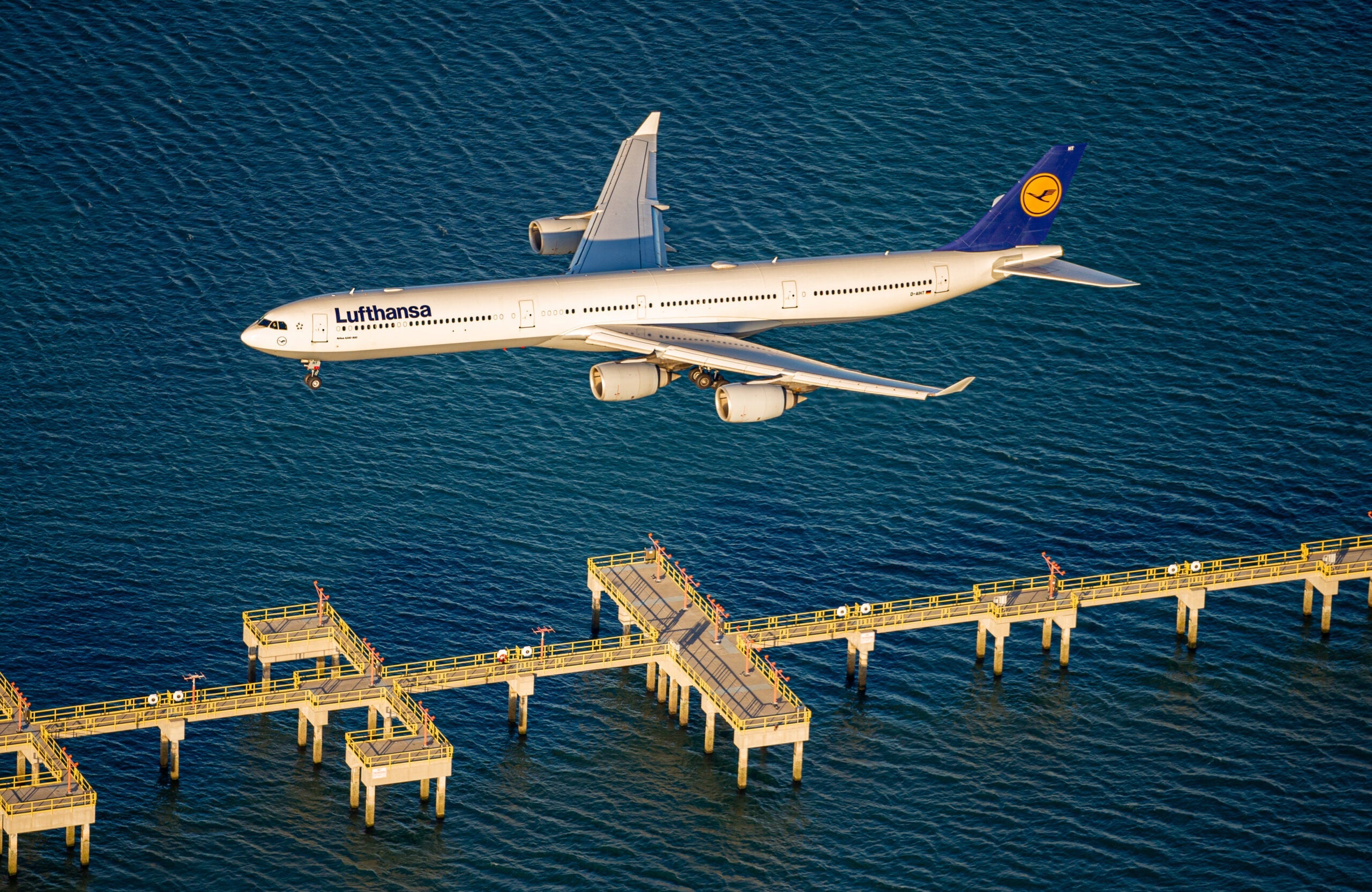
Perhaps more impactful for international travelers is the decision regarding the Airbus A340-600s. Known for their four-engine design and long-range capabilities, these aircraft were once a staple on ultra-long-haul routes. However, their quad-engine configuration often makes them less fuel-efficient compared to newer twin-engine counterparts like the Airbus A350 or Boeing 787. In an environment of sky-high kerosene prices, operating these aircraft becomes prohibitively expensive, leading to their early retirement or storage. This move underscores a broader industry trend towards modern, more economical aircraft, and may indicate changes to Lufthansa’s long-haul network, particularly on routes that demand significant capacity but are highly sensitive to operating costs.
Ultimately, Lufthansa's fleet adjustments are a direct consequence of an unpredictable global fuel market and highlight the continuous need for airlines to adapt to economic realities. While these groundings might cause temporary inconveniences for some "Travelling Renters," they are a necessary step for the airline to maintain financial stability and competitiveness. Passengers are advised to regularly check Lufthansa's official channels for the latest information on flight schedules and potential route changes. This dynamic situation serves as a stark reminder of how global economic factors can swiftly reshape the landscape of air travel, affecting everyone from the airline executive to the budget-conscious "Travelling Renter."
```