
Urgent Travel Alert: Middle East Airspace Closures Disrupt Global Flights
Published by Travelling Renter on March 3, 2026
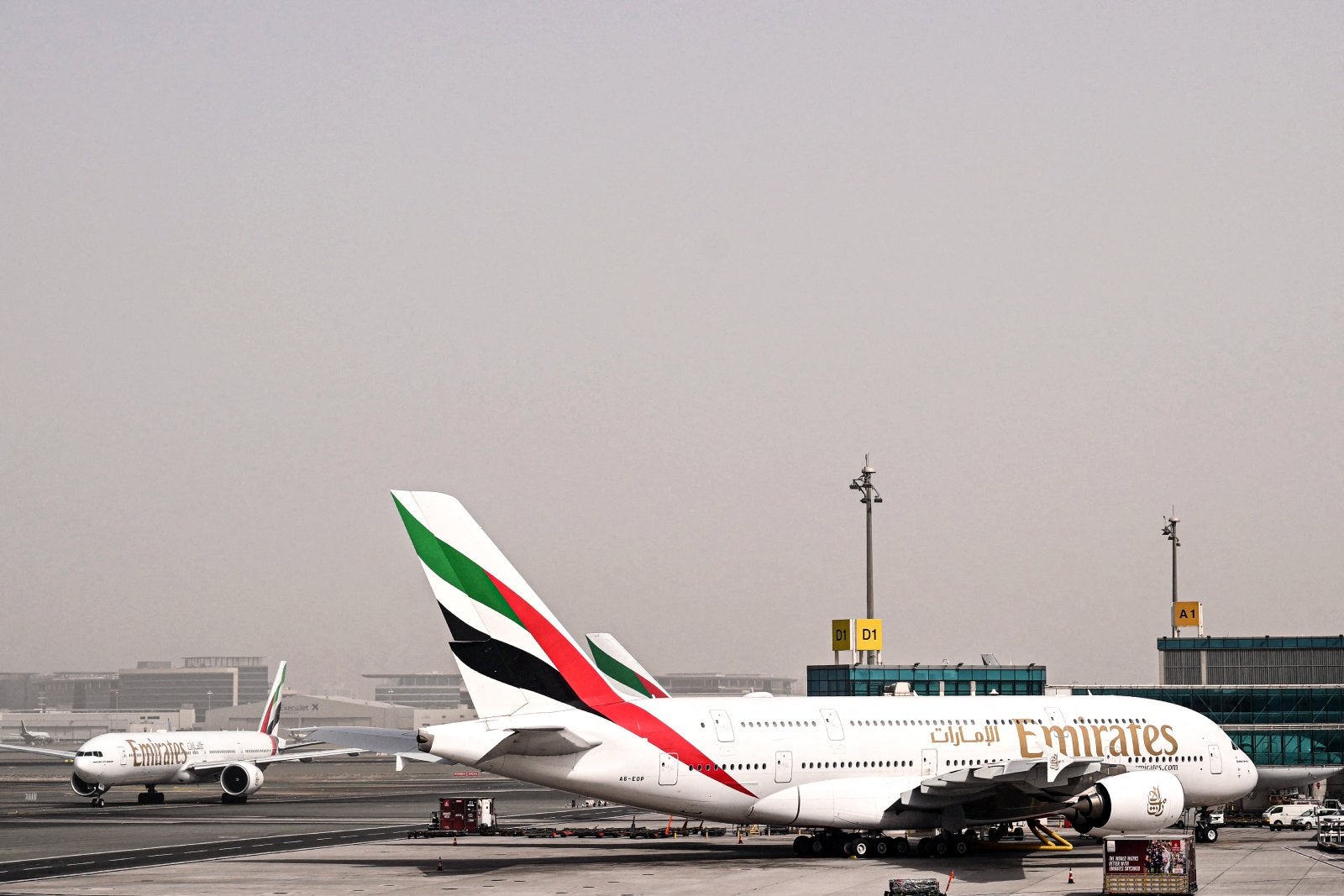
The aviation landscape across the Middle East has been significantly impacted by recent geopolitical tensions. Following the strikes on Iran, several nations in the region have initiated airspace closures, leading to a cascade of massive commercial flight disruptions and cancellations. This has created an unprecedented challenge for airlines and travelers alike, as routes are rerouted, schedules are thrown into disarray, and uncertainty looms over future travel plans.
Major international carriers, including those with extensive networks through the Gulf, are grappling with the immediate fallout. Flights originating from, destined for, or transiting through key regional hubs are experiencing significant delays or outright cancellations. This situation not only affects direct travel to the Middle East but also has a ripple effect on long-haul routes connecting Europe, Asia, Africa, and Australia, which frequently utilize these air corridors. Travelers are advised to check their flight status diligently and contact their airlines for the most current information regarding their itineraries.
The economic implications of these widespread disruptions are substantial. Airlines face increased operational costs due to longer flight paths, higher fuel consumption, and potential crew reassignments, while tourism and business travel to and from the affected areas are expected to decline. For individuals planning trips, understanding the dynamic nature of these airspace restrictions is crucial. The safety of passengers and crew remains the top priority for all airlines, dictating these precautionary measures, which, unfortunately, come with the inconvenience of altered travel schedules.
For renters and travelers planning journeys, flexibility and proactive communication are key. We at Travelling Renter strongly recommend staying informed through official airline announcements, government travel advisories, and reputable news sources. Consider travel insurance that covers geopolitical disruptions, and be prepared for potential changes to bookings. While the situation remains fluid, timely information can help mitigate the stress and complications of navigating travel during such volatile times. Always prioritize safety and allow extra time for potential delays.