
Spirit Airlines Faces Second Chapter 11 Bankruptcy: What This Means for Your Travel Plans
The world of budget travel is once again buzzing with concern as Spirit Airlines, a prominent ultra-low-cost carrier, has filed for Chapter 11 bankruptcy protection for the second time in less than a year. This development, which occurred on August 29, 2025, after a previous filing in November 2024 and emergence in March 2025, has many "Travelling Renters" wondering about the future of their affordable flight options and what this means for existing bookings.
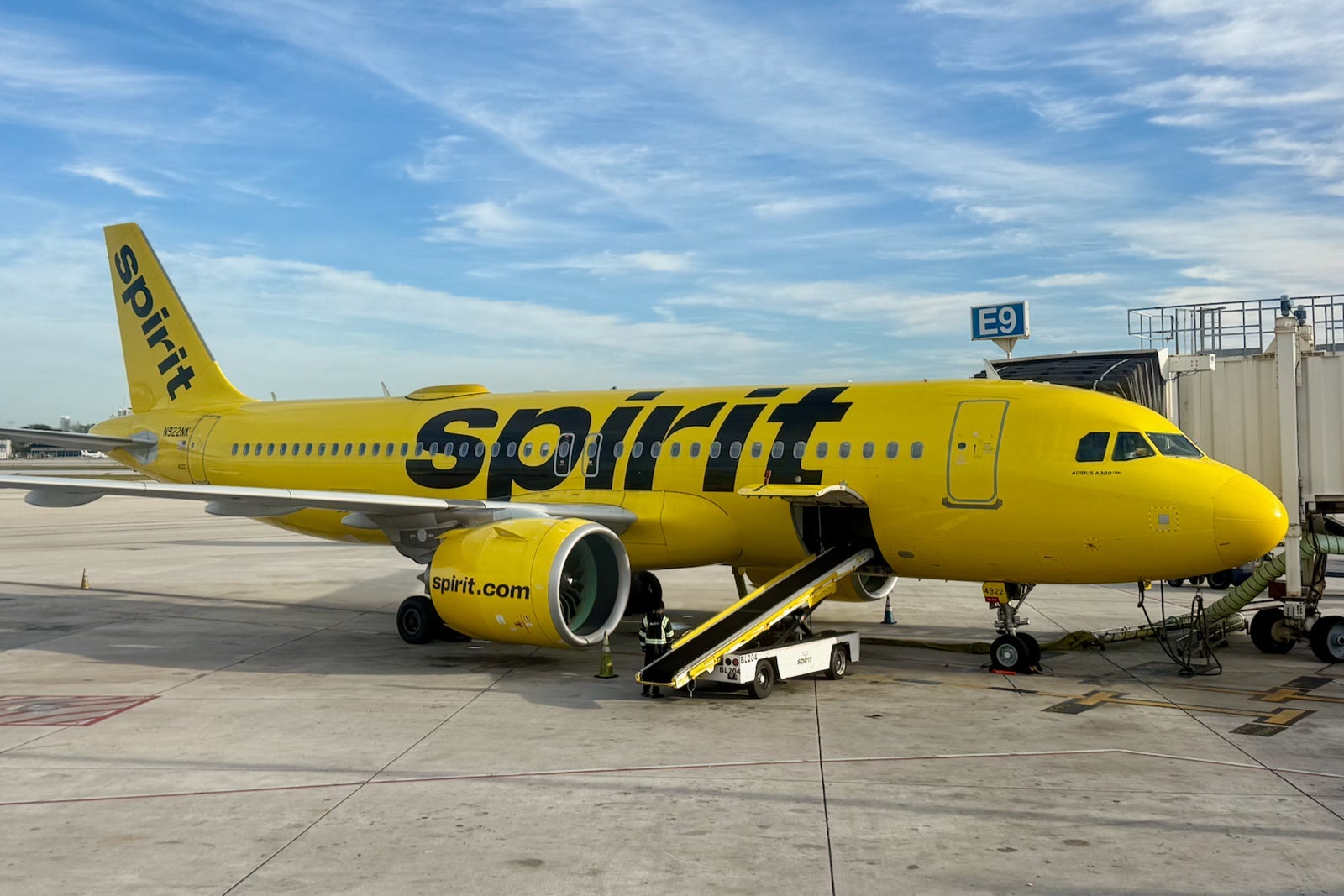
Spirit Airlines’ return to bankruptcy court stems from a challenging financial landscape. The airline has faced significant headwinds, including dwindling cash reserves, mounting losses, and a failed merger attempt with JetBlue that was blocked by federal judges. Additionally, the carrier has been battling engine reliability issues with its Pratt & Whitney-powered Airbus A320neo fleet and has seen the termination of aircraft leases, all contributing to substantial financial strain. The company had previously lost over $2.5 billion since 2020 and carries $2.4 billion in long-term debt.
Despite the Chapter 11 filing, Spirit Airlines is continuing to operate its scheduled flights while undergoing a comprehensive restructuring process. As part of this reorganization, the airline plans to significantly reduce its fleet by nearly 100 aircraft, almost half of its current size, and eliminate unprofitable routes. This means Spirit will exit service in several U.S. cities, including Albuquerque, Oakland, San Jose, Portland, and Salt Lake City, and will suspend approximately 40 routes to focus on its strongest-performing markets. Travelers with upcoming bookings should closely monitor their flight status, and it's important to remember that passengers with canceled flights are entitled to refunds under federal regulations.
While Spirit Airlines has secured up to $475 million in debtor-in-possession (DIP) financing to support operations during restructuring and is actively renegotiating aircraft leases, the long-term outlook remains uncertain. Management has expressed "substantial doubt" about its ability to continue operating beyond 2026 without further capital infusion or significant strategic changes. For budget-conscious travelers, this situation highlights the importance of booking with flexible options, considering travel insurance, and staying informed about airline news. The ripple effect of a smaller Spirit could also impact airfare across the industry, potentially leading to higher prices on routes where Spirit previously offered competitive ultra-low-cost options.